 Image 1 of 1
pH Sensor Features & Specifications
Key Features
- 0–14 pH measurement range for full-scale monitoring
- Dual 4–20 mA output (pH + temperature)
- Built-in 0–50°C temperature sensor
- True 2-wire design for simplified installation
- Fully submersible design up to 70 psi
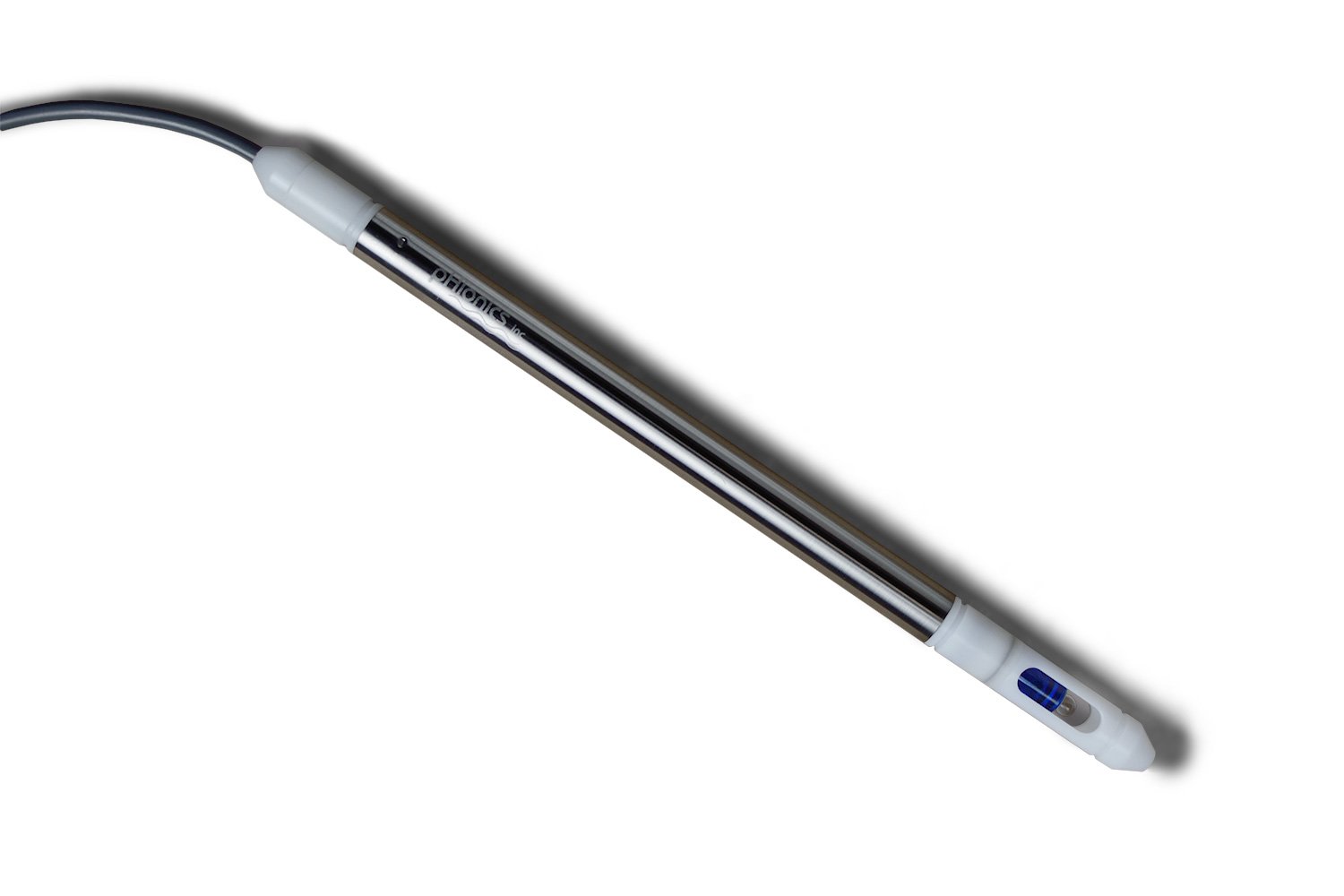
- Rugged Delrin®, PVDF, and 316 stainless steel construction
- Titanium option available for harsh environments
- Double-junction electrode with large reference reservoir
- Kevlar®-reinforced, water-blocked cable
- Up to 3 miles signal transmission capability
- Electrical isolation prevents ground loop issues
- Low power consumption for long-term deployments
Specifications
| pH Range | 0–14 pH |
| Temperature Range | 0–50°C |
| Output | Dual 4–20 mA |
| Sensor Type | Submersible pH + Temperature |
| Installation | 2-wire system |
| Housing | Delrin®, PVDF, 316 SS |
| Optional Housing | Titanium |
| Diameter | 0.75 in (1.9 cm) |
| Submersibility | Up to 70 psi |
| Cable | Kevlar® reinforced polyurethane |
| Signal Distance | Up to 3 miles |
Typical Applications
Designed for reliable pH monitoring across a wide range of environmental and industrial applications:
- Groundwater and surface water monitoring
- Wastewater treatment systems
- Industrial process control and effluent monitoring
- Environmental remediation projects
- Agriculture and irrigation water quality
- Mining and environmental compliance monitoring
- Aquaculture and water systems management
Why Choose the STs Series™ pH Sensor
Built-To-Last
With proper care, these sensors are designed for many years of reliable pH monitoring in harsh conditions. The truly unique aspect of the STs Series is that every part, including the cable, is easily replaceable in the event of wear/damage. This considerably extends their lifespan to save your company money. It also keeps waste out of landfills to support sustainable business practices.
Ground Loop Elimination
If you ever have a pH sensor sending erratic measurements and can’t figure out why, then there may be a “ground loop”. A ground loop occurs when the electrical circuit has multiple paths to ground that cause interference. This issue can be very difficult to detect and fix. The best way to avoid ground loops is with input/output electrical isolation, which is built into every pHionics sensor.
Low Maintenance
Very little is required to keep these sensors up. Just perform periodic calibrations and replace the electrode every few years*. Electrode replacement is a 60-second procedure that is easily performed in the field without any tools.